To take Psychotoons Personality test click the Personality Test above in main menu.
HOW THREE POPULAR PERSONALITY TESTS RELATE TO EACH OTHER AND PSYCHOTOON’S PERSONALITY TEST.
This test tests the same human traits and characteristics as other popular personality test. The others test mainly the Upper Nature. The part of our brain that is designed to observe correctly, pick appropriate emotional responses, the executive functions of looking at facts, beliefs, and experiences to plan what needs to be done next, and skills and habits that help us build out lives.
The three main popular personality tests are BRIGGS MEYER or MYERS-BRIGGS , THE BIG FIVE, and the predecessors to them, HOLLAND INTEREST INVENTORY. They are all based on some old concepts that have survived the test of time. Those concepts are basically based on the four steps of the brain, perception, emotions, thinking, and doing. They have a lot in common as I will show and a lot in common with my personality test.
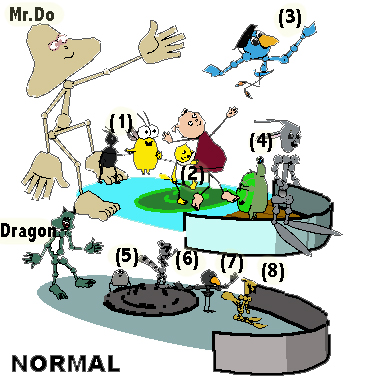
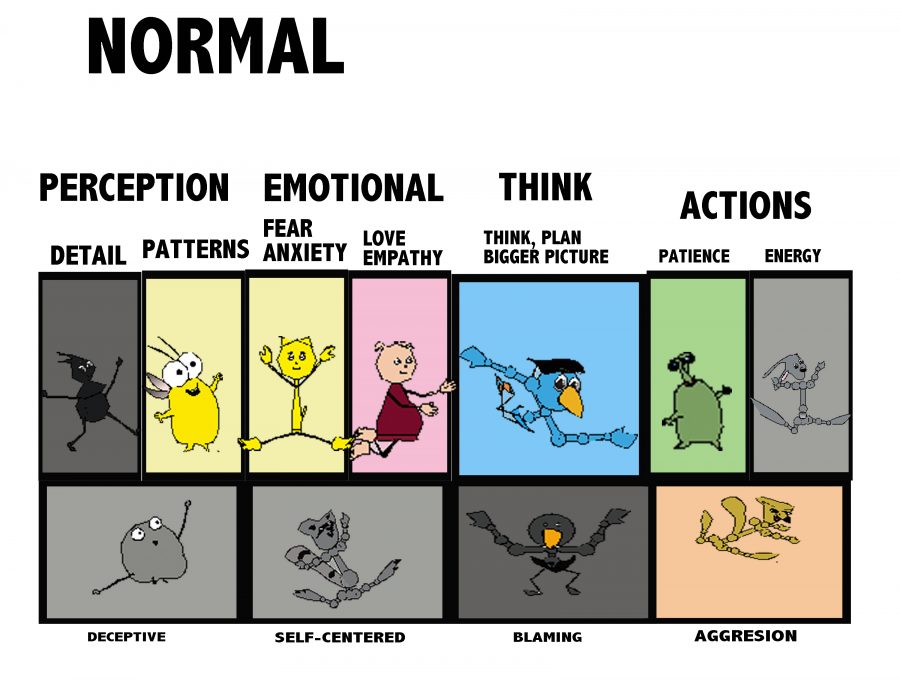
The Key below explains Psychotoons Test. The boxes below show a Normal Personality because the boxes in the Upper Nature are larger than the Lower Nature below and are also the same size. Changes in size of the widget boxes indicates a dominance of the traits.
##################################################################################################################################################################################################
HOLLAND
Holland bases his personality theory on six concepts. How the steps relate to the four step model is shown below.
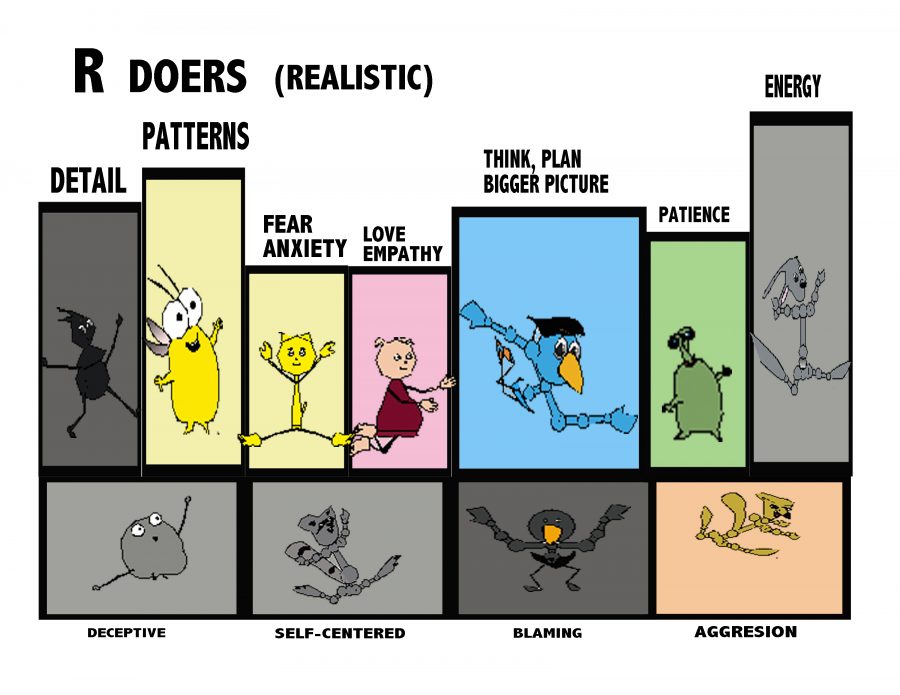
REALISTIC people like to work with animals, tools, or machines such as computers. We often call them nerds nurds or engineering types. They are good at the first step of perceptions of objects, lower on the second step of emotional reading of others. They may see the bigger picture of their technological field and are patient and a doer in their field, but may or may not be outside of their field. They may have a lot of problems reading others.
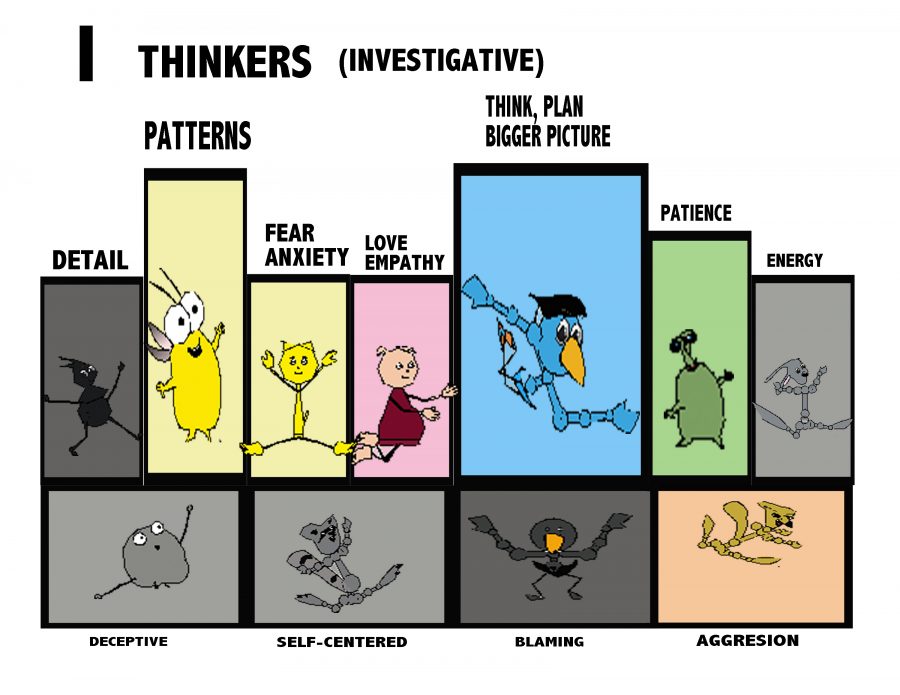
INVESTIGATIVE They love math or science problems. We often call them intellectuals. They are good at the first step of the brain, perception, and the third step of seeing the whole picture of their math or science. The others are arbitrary.
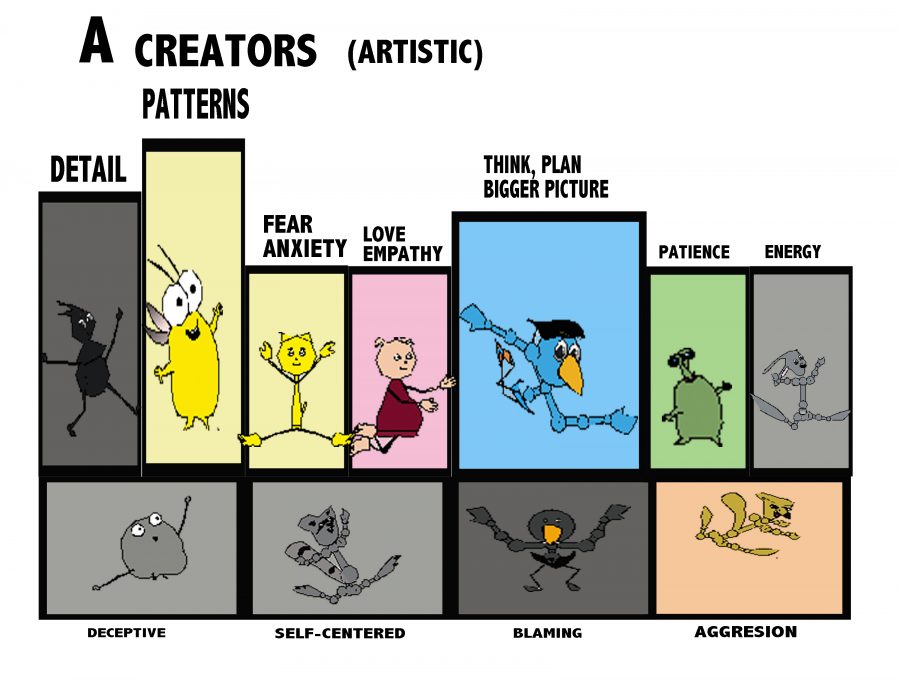
ARTISTIC They would be good at the first step of the brain and have good insights to the bigger picture of the subject they wish to work with.
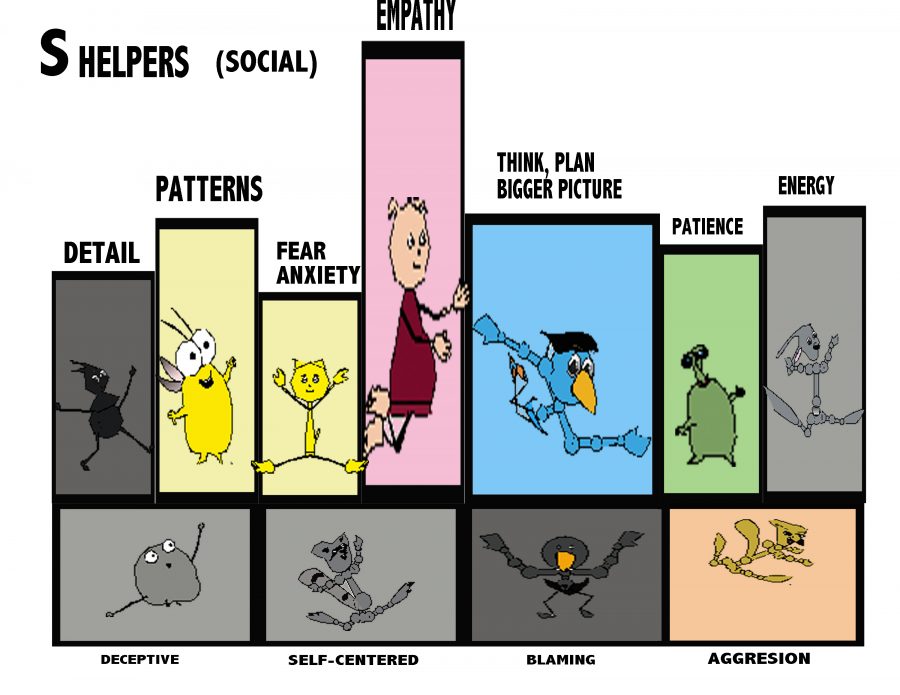
SOCIAL They love to help people and teach. So they are high on the second step of the brain, emotions. The others are arbitrary but tend to see the bigger picture for people and if they are doers they will practice what they preach.
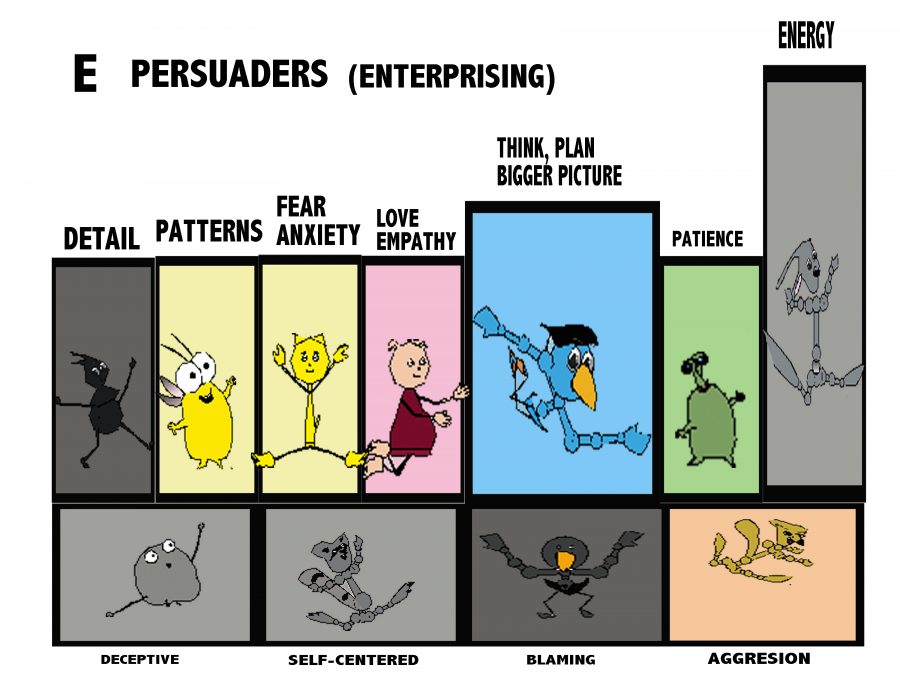
ENTERPRISING They may not be proficient at emotions other than to inspire but they will tend to see the bigger picture of what they persuade about and are a doer.
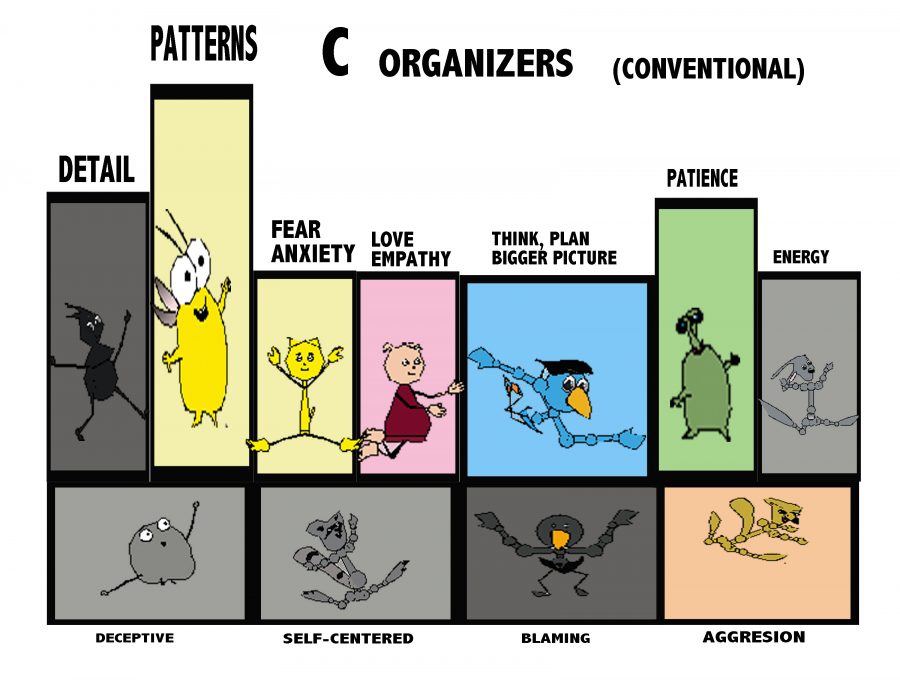
CONVENTIONAL (PIC of organizers) They are good at step one and are patient in step four. They can be doers. (PIC 06 6)
To sum up Holland he tends to identify people that are keen in step one, Perception, and relates them to being good at or less good at step two, emotions, step three, thinking, and step four, patience and or being a doer.
##################################################################################################################################################
BRIGGS MYERS
Briggs Myers uses 8 Letters for their concept of personalities. Lifestyle preferences are either judging or perceptive.
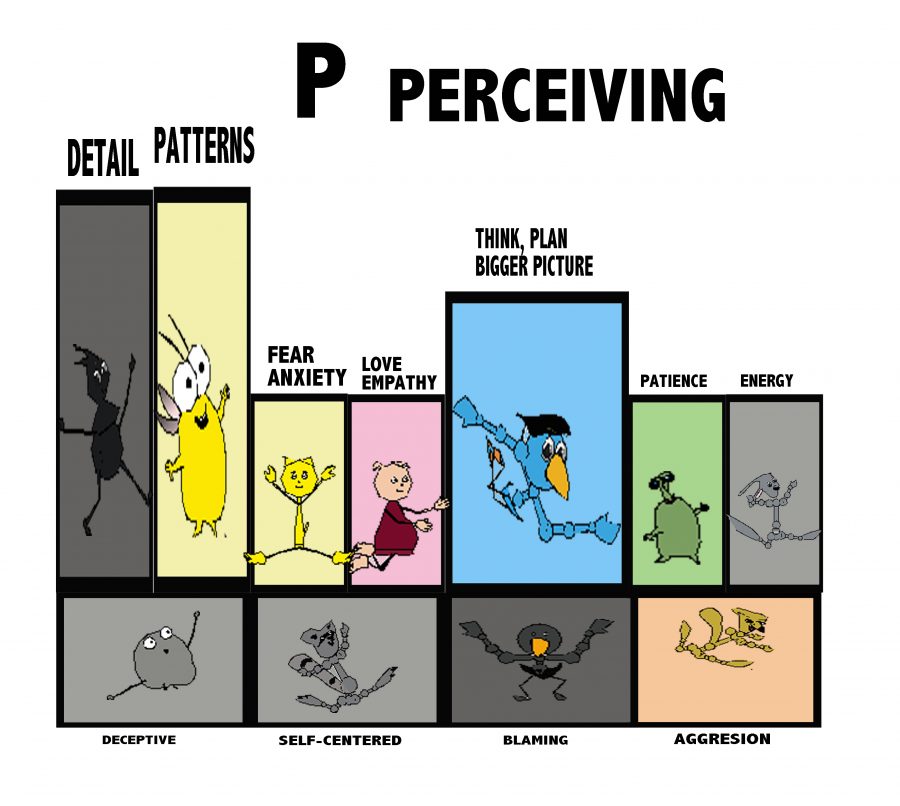
One of the two main ones are people whose dominant trait is P, Perceiving.
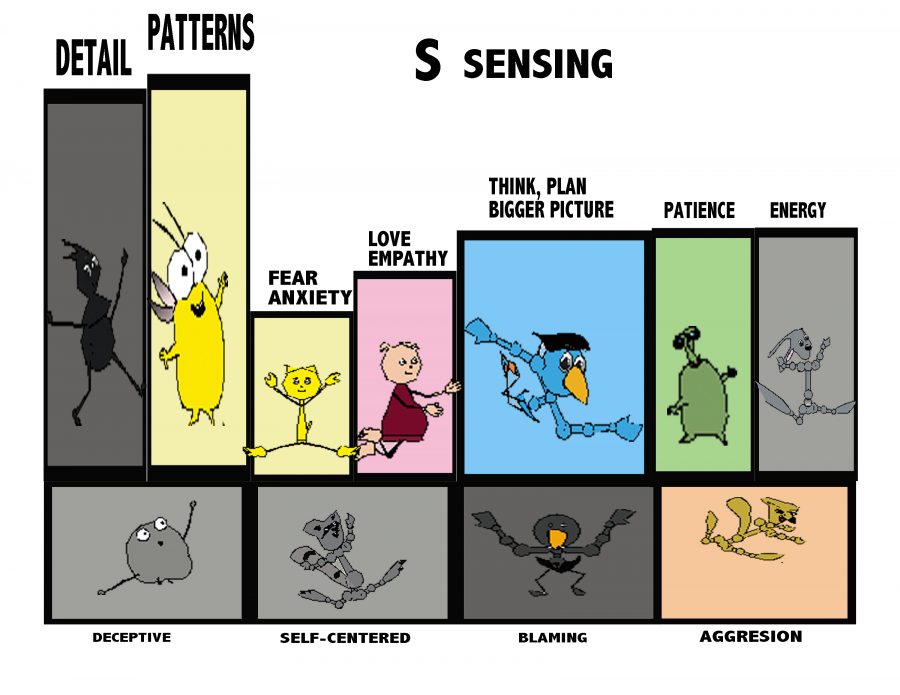
Under Perceiving are S people who use their five senses and so they tend to think more concretely. Think in terms of the objective world outside of them.
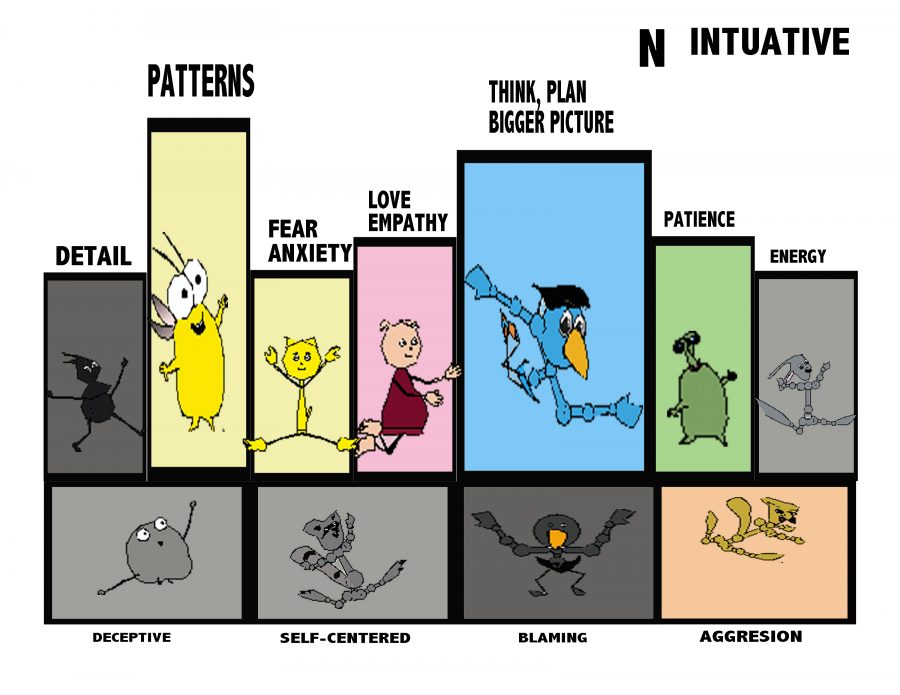
And the other group under Perceiving are N Intuition, people who are more intuitive, they see the underlying theories or principles of the world.
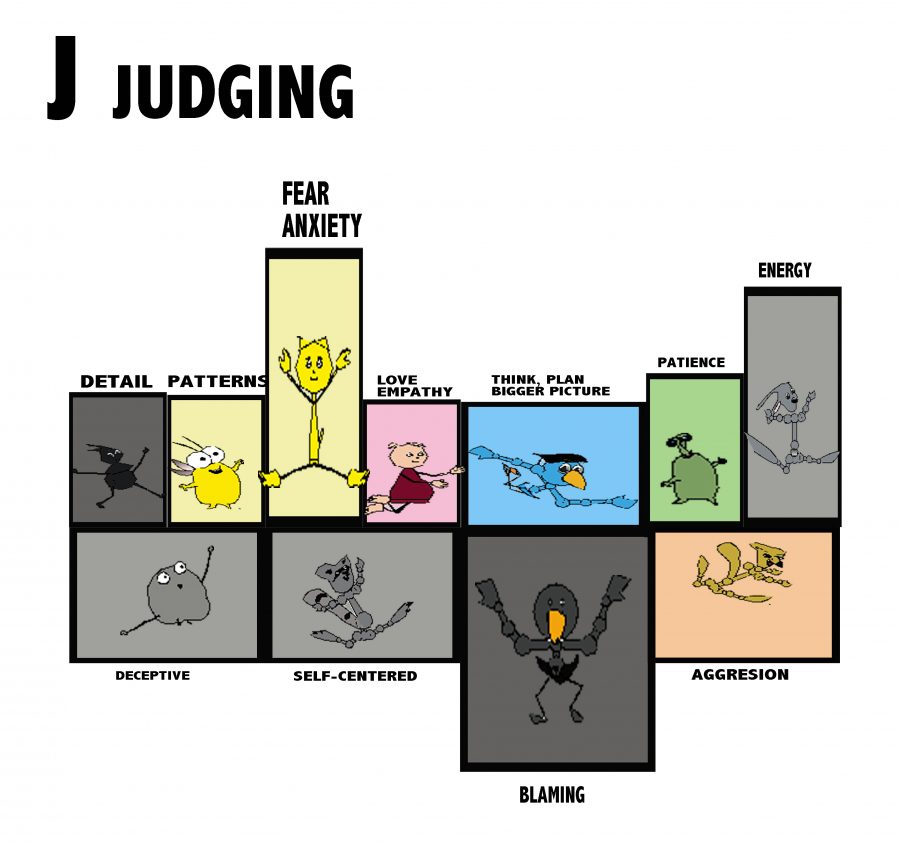
Under J Judging how people make decisions and there are two mentioned.
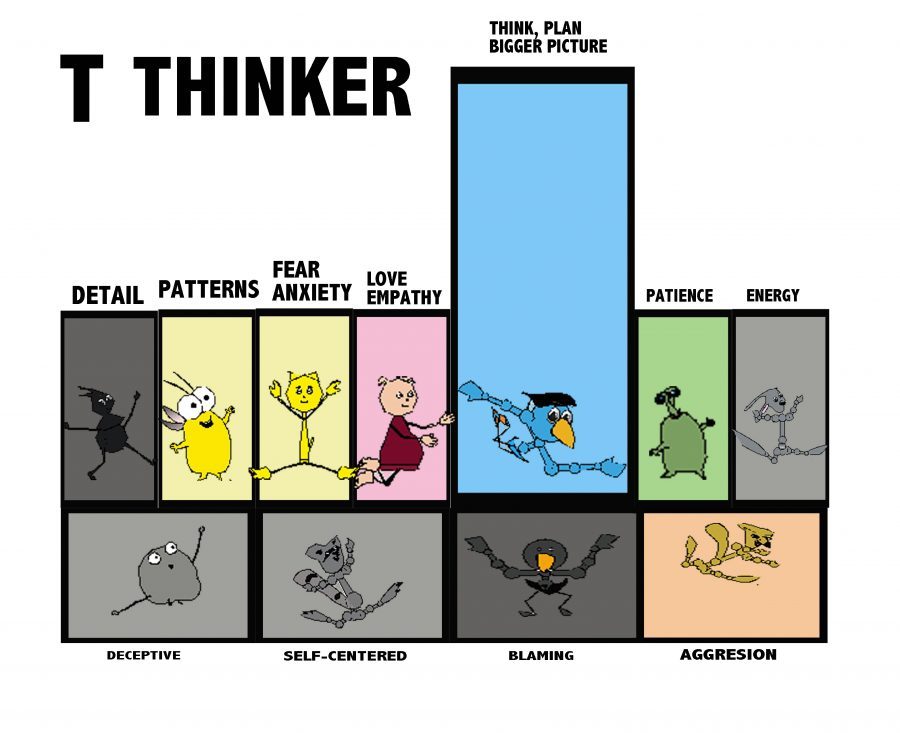
The first method under Judging is T Thinking people who use objective, rational, and logical thinking.
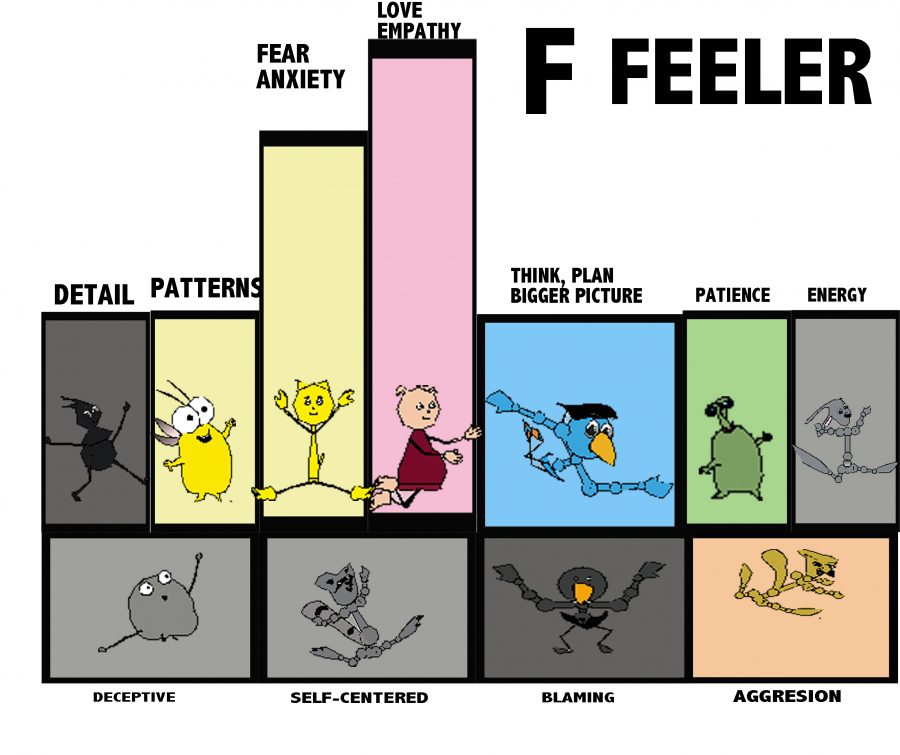
The other F Felling type are people who are more oriented and look for consensus among others, more people oriented.
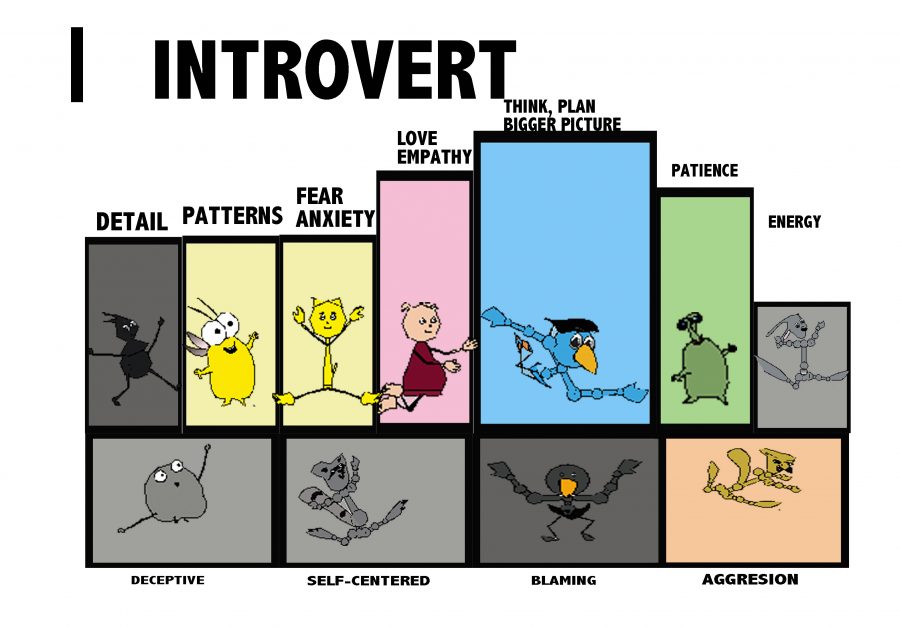
Finally people are either I Introverted or thought oriented……
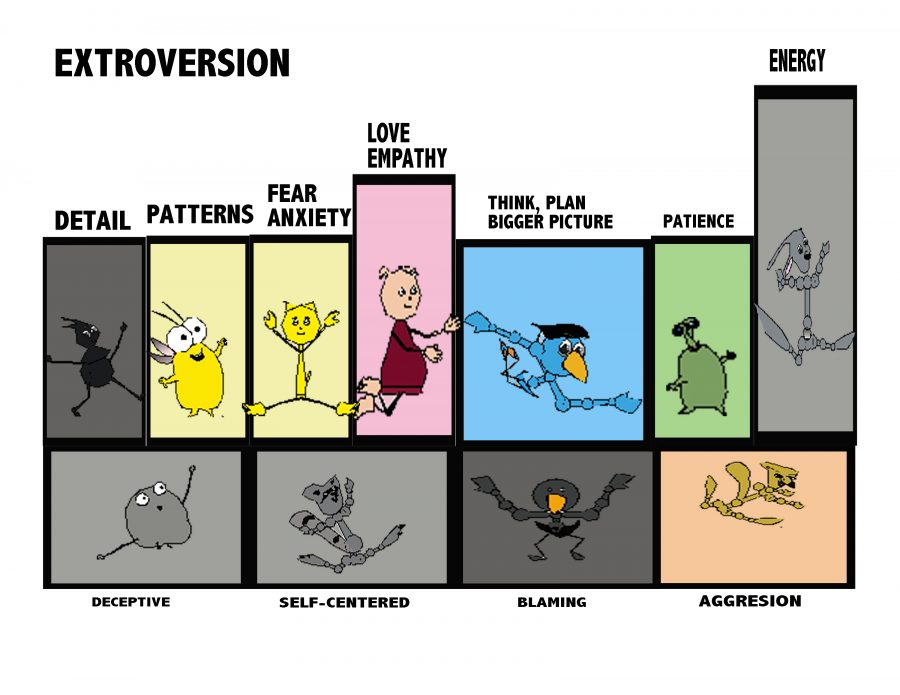
or Extraverted and are action-oriented.
##################################################################################################################################################################################################
THE BIG FIVE
Each of the five personality factors below represent a range between two extremes. Most people lie somewhere in between the two polar ends of each dimension. The test does seem to dip a bit into the lower nature on some of the traits when the trait is low.
1. Extroversion:
Extroversion: can be seen as excitable, sociable talkative, assertive and emotionally expressive people. At the end are those who are low in extroversion or are introverted and tend to be more reserved.
2. Agreeableness:
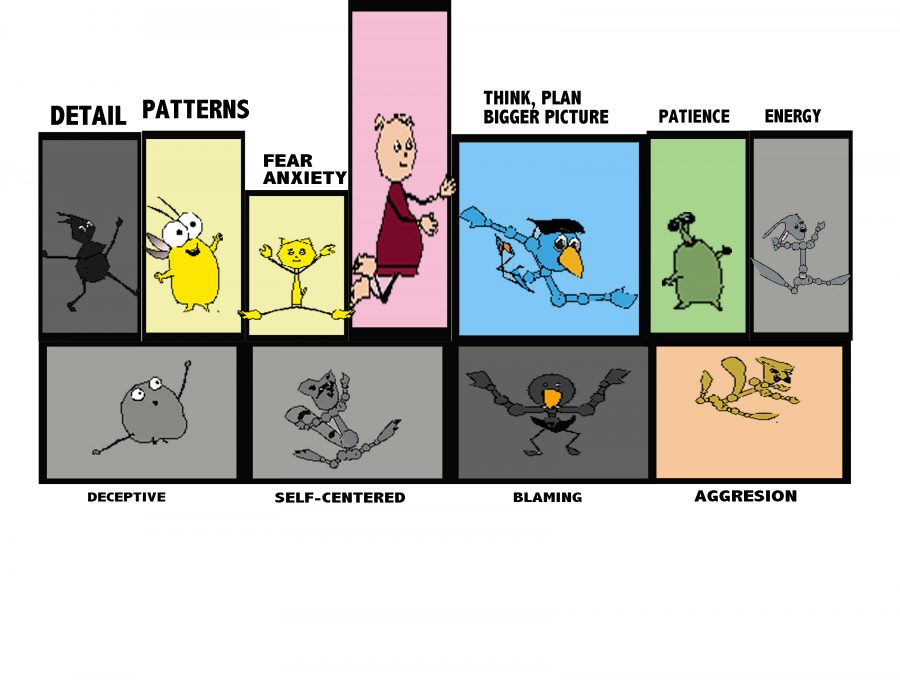
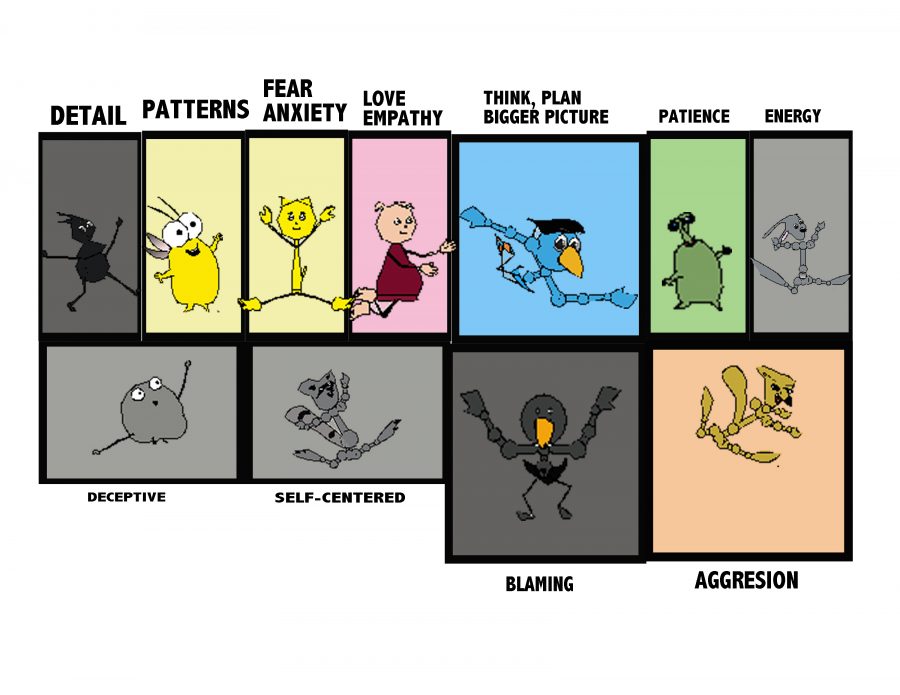 These people are seen as have a higher degree of trust, altruism, kindness, or affection. At the other end are those low in this trait and so tend to be more competitive and manipulative.
3. Conscientiousness:
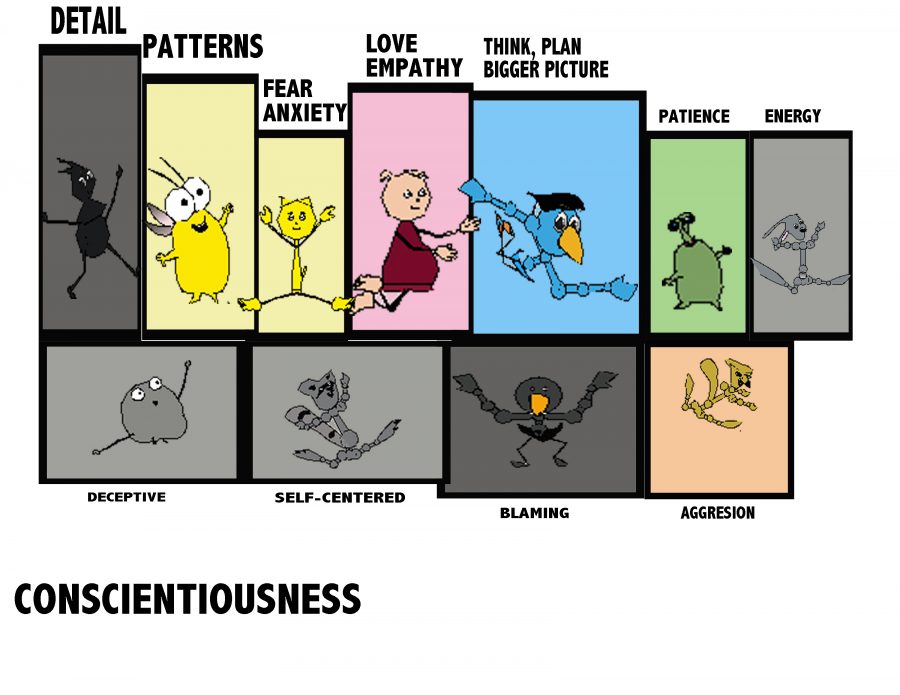
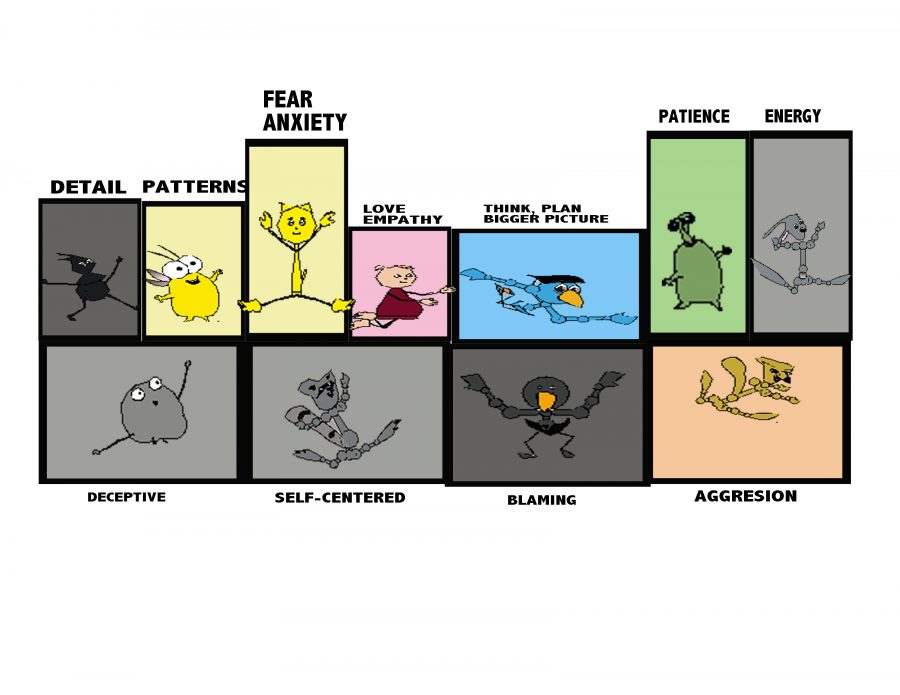
People hight on this trait tend to have high levels of thoughtfulness, with good impulse control and goal-directed behaviors. People on the lower end do not.
4. Neuroticism:
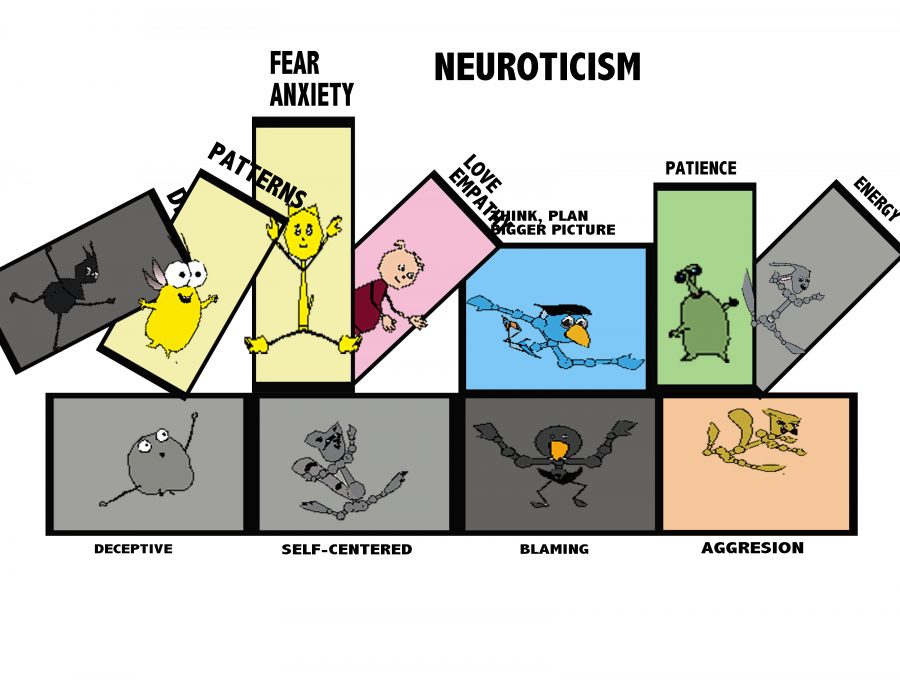
Characterized by sadness, moodiness and emotional instability these individuals tend to experience mood swings, anxiety, moodiness, irritability and sadness where those low on this are in the normal range. (Touches on Personality Disorders which are problems in the personality that can cause disorder in their lives.) ( this can be a combination in UN, LN, or both.
5. Openness:
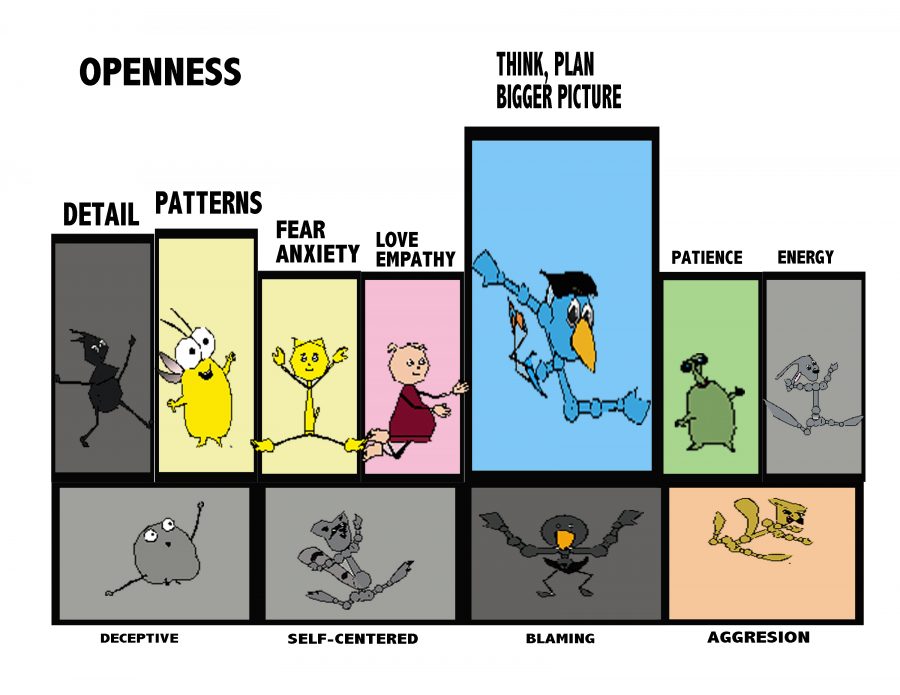
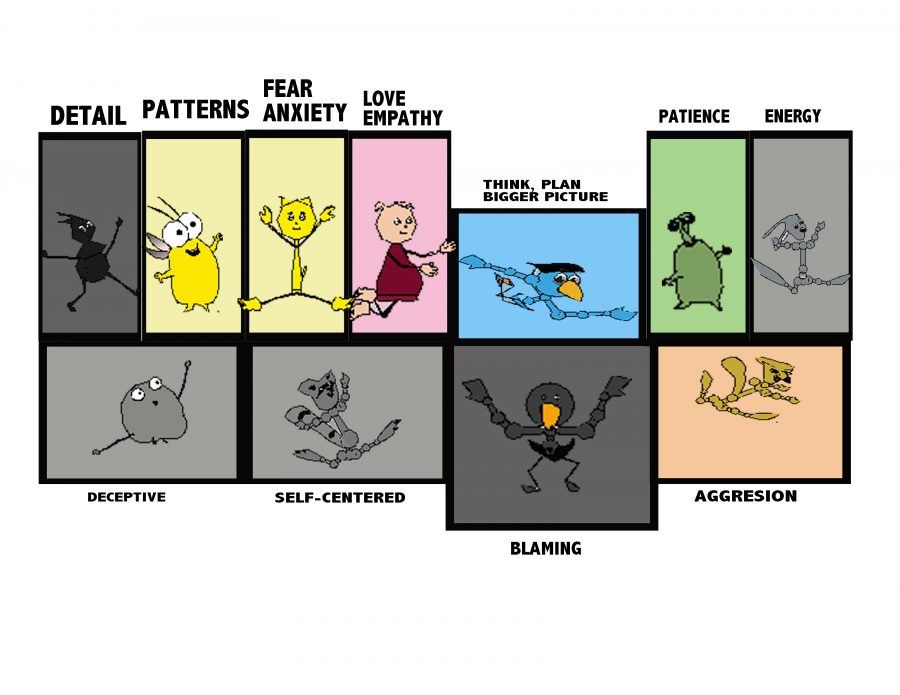
These people tend to have a good imagination, good insight, and have a broad range of interests. They may tend to be more adventurous and creative. People low in this trait are traditional and may struggle with abstract thinking.
In sum, the big five covers all the Upper Nature and dips a bit into the Lower Nature and hints at Personality Disorders.



Leave a Reply
Your email is safe with us.